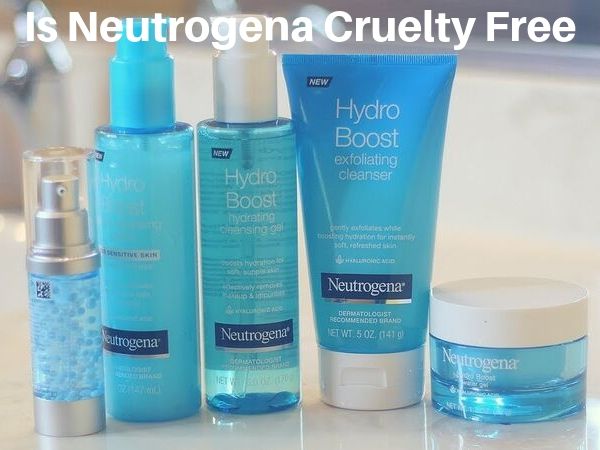

Two of the most sought-after ingredients in modern skincare are hyaluronic acid and vitamin C. When made and used correctly, DIY versions of these products can be effective, affordable, and customizable.
DIY skincare has become increasingly popular as more people want control over what they apply to their skin. DIY hyaluronic acid and vitamin C are both known for their powerful hydrating, brightening, and anti-aging benefits.
In this guide, I will walk you through everything you need to know, from understanding how these ingredients work to making, storing, and safely using DIY hyaluronic acid and vitamin C serums at home.
Why Hyaluronic Acid and Vitamin C in Skincare
Hyaluronic acid and vitamin C are often described as “skin essentials” because they address two major skin concerns: hydration and skin damage.
Hyaluronic acid focuses on moisture retention and skin plumpness. Vitamin C targets dullness, uneven tone, and environmental damage.
When combined properly (or layered correctly), they can significantly improve skin texture, brightness, and overall health.
However, DIY formulations require careful handling, accurate measurements, and an understanding of skin chemistry to avoid irritation or ineffective products.
Understanding Hyaluronic Acid
What Is Hyaluronic Acid?
Hyaluronic acid (HA) is a naturally occurring substance found in the skin, joints, and connective tissues. Its primary function is to retain moisture.
A single gram of hyaluronic acid can hold up to 1,000 times its weight in water, making it one of the most powerful humectants in skincare.
As we age, natural hyaluronic acid levels decrease, leading to dryness, fine lines, and loss of elasticity.
Sodium Hyaluronate vs. Hyaluronic Acid
Most “hyaluronic acid” serums on the market actually use sodium hyaluronate. In DIY skincare, sodium hyaluronate is preferred over pure hyaluronic acid because:
- It has a smaller molecular size
- It penetrates the skin more easily
- It dissolves better in water
Molecular Weights and Skin Benefits
High molecular weight HA: Sits on the surface, providing instant hydration and smoothing
Low molecular weight HA: Penetrates deeper, supporting long-term hydration
For DIY use, cosmetic-grade sodium hyaluronate powder is ideal and safe when used correctly.
Understanding Vitamin C
What Does Vitamin C Do for the Skin?
Vitamin C is a powerful antioxidant that brightens dull skin, helps fade dark spots and hyperpigmentation, supports collagen production, protects against pollution, and UV-related damage. It is especially effective when used consistently and correctly.
Types of Vitamin C Used in DIY Skincare
L-Ascorbic Acid
This is the pure and most potent form of vitamin C, it delivers fast results, requires low pH (around 3.0–3.5), but can be irritating for sensitive skin.
Vitamin C Derivatives
Examples of vitamin C derivatives include Sodium ascorbyl phosphate and Ascorbyl glucoside.
These derivatives are more stable and gentler on the skin. However, they are less effective than L-ascorbic acid but easier to formulate.
For true DIY vitamin C effectiveness, L-ascorbic acid powder is most commonly used.
Safety Guidelines Before You Begin
- DIY skincare is not risk-free. Always follow these safety principles:
- Patch test every product on the inner arm or behind the ear
- Use cosmetic-grade ingredients only
- Avoid metal utensils (they can destabilize vitamin C)
- Maintain proper pH levels
- Stop use immediately if irritation occurs
People with rosacea, eczema, or extremely sensitive skin should avoid DIY vitamin C or use very low concentrations.
Tools and Supplies You’ll Need
To ensure accuracy and safety, gather the following:
- Digital scale (accurate to 0.01 g)
- Distilled water (never tap water)
- Glass or heat-safe mixing bowls
- Silicone or plastic spatula
- pH test strips or digital pH meter
- Dropper bottles or pump bottles (dark glass preferred)
- Gloves and alcohol for sanitizing tools
Cleanliness is critical to prevent bacterial contamination.
How to Make DIY Hyaluronic Acid Serum
Ingredients
- 0.1–0.5% sodium hyaluronate powder
- Distilled water
- Optional: glycerin or aloe vera (2–5%)
Step-by-Step Instructions
- Measure 49.9 ml of distilled water into a clean glass container.
- Measure 0.1 g of sodium hyaluronate powder and slowly sprinkle it over the surface of the water. Do not dump it all at once.
- Cover and let it sit for 4–8 hours or overnight.
- Gently stir once fully hydrated. The mixture will thicken into a gel.
- Add optional humectants if desired and mix gently.
- Transfer to a sterilized bottle.
The texture and consistency of the finished serum should be clear, smooth, and gel-like but not sticky.
Storage and Shelf Life
Store in the refrigerator and expect a shelf life of about 1–2 weeks without preservatives. Discard if the serum develops an odor, becomes cloudy, or if mold appears.
How to Make DIY Vitamin C Serum
Ingredients
- L-ascorbic acid powder (10–15%)
- Distilled water
- Optional: glycerin (1–3%)
- Optional stabilizers: vitamin E, ferulic acid
Step-by-Step Instructions
- Measure 27 ml of distilled water into a glass container.
- Add 3 g L-ascorbic acid powder gradually.
- Stir until completely dissolved.
- Test the pH using strips or a meter.
- Adjust pH to 3.0–3.5 if needed (critical for effectiveness).
- Add optional stabilizers.
- Transfer to a dark glass bottle.
Storage and Shelf Life
Store in the refrigerator and expect a shelf life of about 7–10 days. Discard if the serum turns yellow, orange, or brown. Oxidized vitamin C is ineffective and can irritate the skin.
Can You Combine Hyaluronic Acid and Vitamin C?
Technically, you can combine them, but I don’t recommend it for beginners. The better option is layering.
Apply vitamin C first on clean, dry skin and wait 10 -15 minutes, then apply hyaluronic acid serum. Seal with moisturizer. This approach maintains proper pH and reduces irritation risk.
How to Use DIY Hyaluronic Acid and Vitamin C
Application Frequency
- Vitamin C: once daily (morning preferred)
- Hyaluronic acid: morning and night
Morning Routine Example
- Cleanser
- Vitamin C serum
- Hyaluronic acid serum
- Moisturizer
- Sunscreen (mandatory): Vitamin C increases sun sensitivity, so daily sunscreen is non-negotiable.
Common DIY Mistakes to Avoid
- Using too high vitamin C concentrations
- Skipping pH testing
- Poor sanitation
- Storing products improperly
- Expecting instant results
- Consistency and patience matter more than strength.
Troubleshooting Common Issues
- Sticky serum: too much hyaluronic acid
- Grainy texture: vitamin C not fully dissolved
- Skin irritation: concentration too high or pH incorrect
- Cloudy product: contamination or spoilage
Frequently Asked Questions
Can DIY vitamin C replace store-bought serums?
Yes, if made correctly, but commercial formulas are more stable.
How long before results appear?
2–4 weeks with consistent use.
Is DIY skincare suitable for sensitive skin?
Hyaluronic acid, yes, vitamin C only at low strengths or with derivatives.
My Final Thoughts
DIY hyaluronic acid and vitamin C can be powerful additions to your skincare routine when made thoughtfully and used responsibly.
While hyaluronic acid is beginner-friendly, vitamin C requires precision, patience, and respect for skin chemistry. I recommend starting simple, working slowly, and prioritizing skin safety over strength.
If you are interested in formulating hair care and skin care products, consider subscribing to my newsletter. Additionally, follow me on Pinterest to discover more amazing pins.